
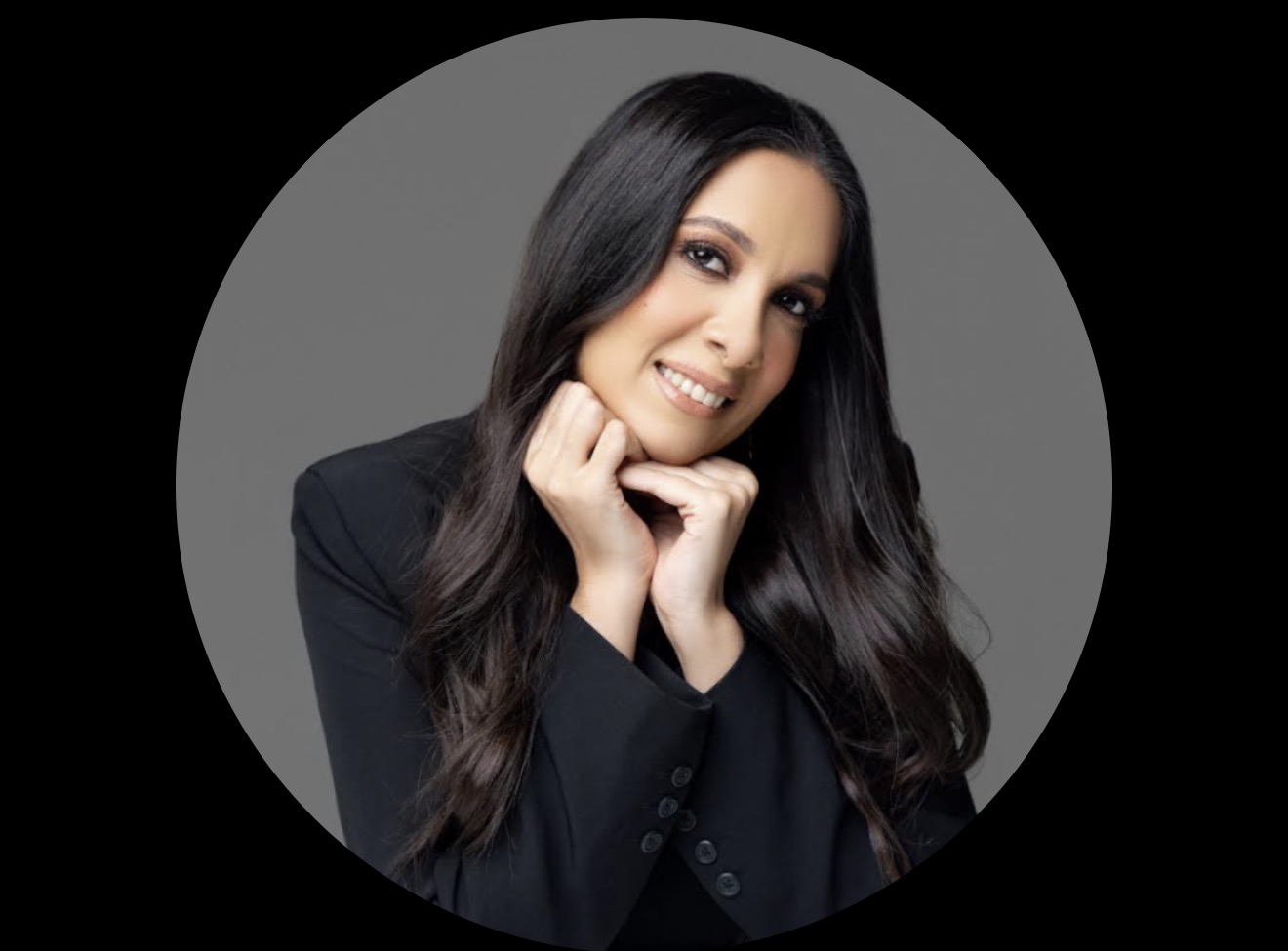
I started this interview series because I wanted to talk to people who are actually doing the work. Not the polished conference version of the work. The real version. Building teams from scratch in industries without a playbook. Figuring out leadership the hard way. Saying the things publicly that most people only say in private.
Cynthia Handal was the first person I thought of.
She built outbound from zero across B2B SaaS and medical devices, two completely different worlds with completely different buyers. She broke into tech sales during a pandemic, relocated, reinvented more than once, and built an audience of 40,000 people by just being honest about what she's learning in real time. She's Top 100 Women in Sales 2025, a published author, and one of the few people on LinkedIn who gives genuinely useful advice instead of packaged inspiration.
She also used Claude to clean up her answers and told me about it at the end, which I respect. Same, honestly.
Follow her. You'll learn something. Here's what she had to say.
Part 1. Building From Zero
What transfers. What doesn't.
You've built outbound from scratch in B2B SaaS and medical devices. Two completely different worlds. What actually transfers and what do people assume transfers but doesn't?
Cynthia
What transfers: cold call structure, objection handling, follow-up discipline, building rapport through curiosity instead of pitching. The fundamentals don't care what industry you're in.
What doesn't: ICP. Completely different landscape. In SaaS people tell you to move fast and be aggressive. In medical devices, people are polite, super responsive over email, and I would have never guessed LinkedIn would work. We get 1 to 3 meetings a day from LinkedIn now. At the start I thought it would never work.
The infrastructure nobody builds.
Most leaders obsess over messaging and skip infrastructure completely. Why does that keep happening and what breaks first when it's wrong?
Cynthia
Because messaging feels like leadership and infrastructure feels like ops. Messaging is visible. You can see a great email and feel smart. Infrastructure is invisible until it breaks. By then your team is already demoralized.
What breaks first: territories. Everyone calls the same prospects. Reps start competing instead of prospecting. Morale dies. Then cadences collapse, reply rates go to zero, and you buy five tools that don't talk to each other. Reps are manually moving data. Burnout.
The pattern I keep seeing: leader hires a VP of Sales. VP says "we need better messaging." Ninety days later reps are still struggling but now they have a new email template. Nobody knows who owns what territory. And somehow the answer is still better messaging.
"Messaging is visible. Infrastructure is invisible until it breaks. By then your team is already demoralized."
AI and the human problem.
Where is the actual line between using AI to do more of the right things and using it to do more of the wrong things faster?
Cynthia
Expecting Claude to solve your job and do everything for you. I love Claude, don't get me wrong. It solves the manual part and buys me time. But I still revise every email, every answer. The overcorrecting is still me talking. Claude just fixes my messy grammar.
The line is: are you using it to think faster or to avoid thinking? Those are very different things.
Part 2. Leadership
The leader she wasn't.
You said you weren't always the leader you needed to be. What did that actually look like and what finally changed it?
Cynthia
I was micromanaged. That's all I knew. So when I became a leader, I micromanaged because it was my template. I didn't know another way. My managers had controlled everything: how I made calls, when I sent emails, what I said on discovery calls. I internalized it as "this is what leadership looks like." So I did the same thing to my team.
I couldn't delegate without hovering. I didn't trust reps to figure things out. Everyone had to move at my pace. If you were slower, you weren't trying hard enough. I couldn't see that different people need different approaches.
What changed it: therapy. Actual therapy, not just "working harder." Admitting I didn't know how to lead differently. Being willing to be uncomfortable while I learned. And trusting people even when my brain was screaming not to.
The hard truth: I had to stop using my team to process my own need for control. That wasn't their problem. It was mine.
"I had to stop using my team to process my own need for control. That wasn't their problem."
Coaching cold calls.
What's the most common mistake BDR managers make when coaching cold calling specifically?
Cynthia
Telling someone what they did wrong without teaching them how to do it differently. That's not coaching. That's commentary.
Part 3. Women in Sales and the Real Conversation
The take nobody says out loud.
What does the women in sales conversation consistently get wrong or skip over entirely?
Cynthia
Most successful women in sales aren't succeeding because of some special sauce. We're succeeding despite burning out from constant calibration. You're expected to be aggressive enough to win but not threatening. Warm enough to build relationships but not soft. Confident but not difficult.
Instead, panels keep talking about "leaning in" like the problem is us not trying hard enough. The problem is the system we're trying to succeed in.
"The real conversation nobody is having: how do we build sales cultures where women don't have to work twice as hard to be seen as half as good?"
Starting over.
What do you know now about starting over in a new environment that you wish someone had told you before you did it?
Cynthia
You don't need to know everything before you start. You need to know enough to start and then learn by doing. Your outsider status is an asset, not a liability. You see things insiders are blind to. Don't apologize for not knowing the "right way" because the right way is often just "the way we've always done it."
Your first ninety days are for getting wins fast, not doing everything perfectly. One win matters more than perfect execution. And people will help you if you're willing to ask. The uncomfortable part is temporary. The regret of not starting isn't.
Monday morning.
One thing for every BDR leader reading this. Something they can actually use Monday morning.
Cynthia
Listen to your team's calls without telling them first. Not to catch them screwing up. To catch them doing something RIGHT that they don't realize is working. Bring what you find back to the team: "I heard this on a call and it worked, can we all try this?"
Now you're coaching from what's actually converting, not from theory. One Monday morning of actually listening will teach you more about your team's problems than a month of one-on-ones.
One more thing
She added this unprompted. I'm glad she did.
Is there anything else you'd want people to know? Anything you wish someone had told you early on?
Cynthia
That growth is not linear.
Growth can be finding a stable job with amazing culture and stability. Not chasing titles. Not climbing the corporate ladder.
I was a CMO at my last company. On paper it looked amazing. But I was so miserable and unhappy. Toxic work environment. The title meant nothing when I dreaded showing up.
"Growth can be finding a stable job with amazing culture. Not chasing titles. Not climbing the corporate ladder."
Outbound, But Smarter
The Modern BDR Operator
Get the next one in your inbox.
New frameworks, hot takes, and playbooks. Written for operators, not audiences.
Subscribe to Booked.