She hit send at 2:47pm on a Tuesday and felt genuinely good about it.
The subject line was sharp. The opener referenced a real trigger event. Not in a creepy way, in a I did my research way. Three tight sentences. No fluff. She'd even deleted the word "synergy" from an earlier draft, which felt like personal growth.
And then, right there at the bottom, six words she didn't even think twice about:
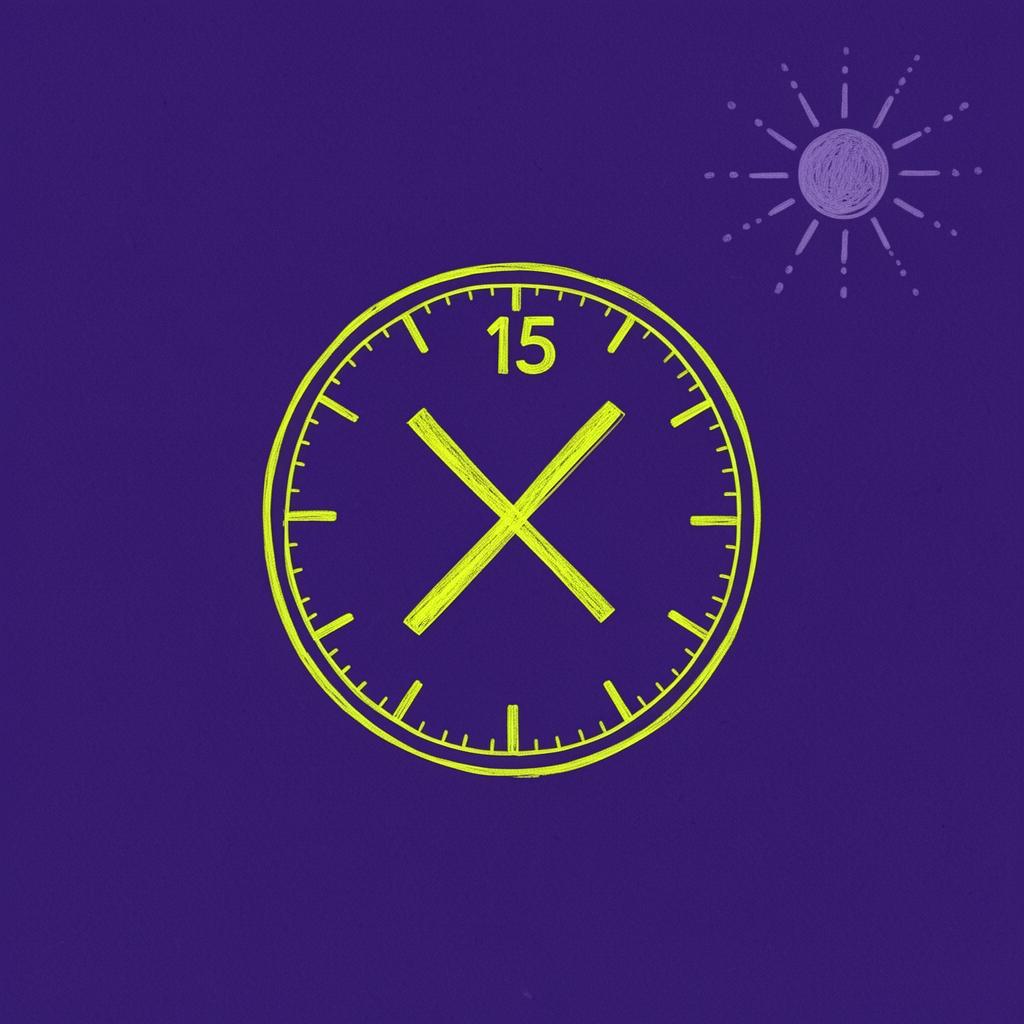
"Would you have 15 minutes?"
Gone. Into the inbox of a VP who received 140 emails that day, scanned to the last line, felt absolutely nothing, and moved on with her life.
The email wasn't the problem. The email was good. But that last line? That last line was a confession. It said: I'm not sure I'm worth your time, but would you mind checking?
She just didn't know it yet.
The numbers first
Before we get into the psychology, let's just sit with the reality of what we're working with out here.
Cold email reply rates fell 60% in seven years. Spray-and-pray is a math problem with one answer.
Instantly 2026 Benchmark · Backlinko
- 01
3.43%
Average cold email reply rate in 2026. Down from 8.5% in 2019. (Instantly 2026 Benchmark Report)
- 02
91.5%
Of outreach emails that get completely ignored. (Backlinko Outreach Study)
- 03
3×
More replies when soft-ask CTAs replace meeting requests on touch one. (Gong Labs / 304K email study via Prospeo)
Read that last one again. Three times more replies when you stop asking for a meeting upfront and start asking something softer instead. That's not a rounding error. That's a 304,000-email study telling you something you probably already felt in your gut but couldn't prove.
And here's the kicker. In that same study, asking for a meeting in the very first cold email was the single lowest converting CTA option they tested. Not one of the lower ones. The lowest. Dead last.
We've been doing this wrong at scale and calling it a pipeline problem.
"Asking for a meeting in a first cold email is like proposing on the street to someone who doesn't know your name."
What "15 minutes" actually signals
Here's the thing about "would you have 15 minutes". It isn't just a weak CTA. It's a full psychological tell dressed up as a calendar request.
When a busy VP reads those six words, their brain doesn't calculate time. It calculates risk. Risk of being stuck on a call that goes nowhere. Risk of a pitch disguised as a conversation. Risk of 15 minutes turning into a follow-up, a sequence, a quarterly check-in, a LinkedIn connection request, a-
You see the problem. You asked for 15 minutes. They heard a commitment with no stated return. And because you didn't tell them what was in it for them, their brain filled in the blank with every bad sales call they've ever sat through. (And when the stall comes back anyway, here's what they're actually saying underneath it.)
And while we're here. Can we have a brief, respectful funeral for the word just? "I just wanted to reach out." "Just checking in." "Just wondering if you had 15 minutes." Every "just" is a pre-apology. Kill the word. Your open rate won't notice but your tone absolutely will.
The plot twist
The reps who book the most meetings aren't necessarily the ones with the best emails. They're the ones who understand that a first cold touch is not a closing move. It's an opening line. And the opening line doesn't solve the mystery. It makes you need to turn the page.
A consultant tested this exact thing. Changed their CTA from "Can we chat?" to "Should I send you the four-question audit we built for companies like yours?" Reply rate went from 4.7% to 17.2%. Same prospect. Same product. Completely different ask. (Warmer.ai Consultant Cold Email Study, Dec 2025)
"The less you ask for, the more you get back."
So what do you actually do?
- 01
Touch One. Ask a real question, not for a meeting
Not a fake rhetorical one. A genuine, specific question only someone worth talking to would ask. "Is reducing SDR ramp time on the roadmap for H2?" opens a door. "Would you have 15 minutes?" closes one.
- 02
Touch Two. Offer something, don't request something
A case study. An insight. The four-question audit. Frame it as a give: "I put together a breakdown of how three companies in your space cut CAC 30% this year. Want me to send it over?"
- 03
Touch Three. Now ask for the meeting, but earn it first
By touch three, you've given value twice. The ask lands differently. Be specific: "Worth 20 minutes Thursday to walk through what this could look like for your team?" Two options. No open-ended calendar roulette.
- 04
Touch Four. The breakup
"I'll stop reaching out, but if the timing ever changes, I'm here." Suddenly the pressure is gone. For some prospects, that's the exact moment they realise they actually did want to talk.
The swap sheet
Print this. Put it next to your keyboard. Review it every time you're about to hit send.
Stop sending this
- Would you have 15 minutes?
- I just wanted to reach out
- Let me know if you're interested
- I'd love to learn more about your setup
- I think there could be a great fit
Send this instead
- Worth 20 minutes Thursday to see if what worked for [similar company] applies here?
- Delete it. Start the email. You don't need permission to exist in someone's inbox.
- Does Tuesday at 10 or Thursday at 2 work? Give them a choice, not a homework assignment.
- Is [specific pain point] something your team is actively working through right now?
- Prove it in one sentence. Reference a result, a customer, a number. Show, don't tell.
The real thing
Here's the part that's going to sting a little, but stay with me.
The reason most reps default to "would you have 15 minutes" isn't laziness. It's not even habit. It's a confidence gap. Somewhere underneath that CTA is a quiet belief that what you're offering isn't quite worth a full ask. So you minimise it. You round down. You apologise in advance for taking up space.
And prospects feel that. Not consciously. They won't write back and say "your energy seemed uncertain." They just won't write back.
The reps who consistently book meetings aren't sending better emails. They're sending emails that believe in themselves. The CTA isn't hedging. It's not apologising. It's saying: I have something worth your time, here's exactly what it is, and here are two slots on my calendar.
That's it. That's the whole game. (And no, more dials won't fix it. Confidence in the ask matters more than volume of the ask.)
She could have known all of this before she hit send at 2:47pm on that Tuesday. The email was good. The research was there. The timing was right.
The last six words didn't have to cost her the reply. They don't have to cost you yours either.
Keep going
Outbound, But Smarter
The Modern BDR Operator
Get the next one in your inbox.
New frameworks, hot takes, and playbooks. Written for operators, not audiences.
Subscribe to Booked.